
Share the property details
Send the location, equipment, symptoms or planned changes, and who can approve the work. Existing labels and service records help define the request.
Now part of the
 family
Plan a standby-power installation around the loads you want to supply, their starting requirements, and the property electrical and fuel arrangements.
Describe the work first, then confirm the people, timing, and terms before making a commitment.
Send the location, equipment, symptoms or planned changes, and who can approve the work. Existing labels and service records help define the request.
The enquiry team reviews the request and shares it with a relevant service provider for follow-up using your contact details. Confirm contractor coverage, qualifications and how the property will be assessed before agreeing to an appointment.
Ask which findings support the work, what is included or excluded, and how completion will be checked. Agree on pricing and terms with the contractor.
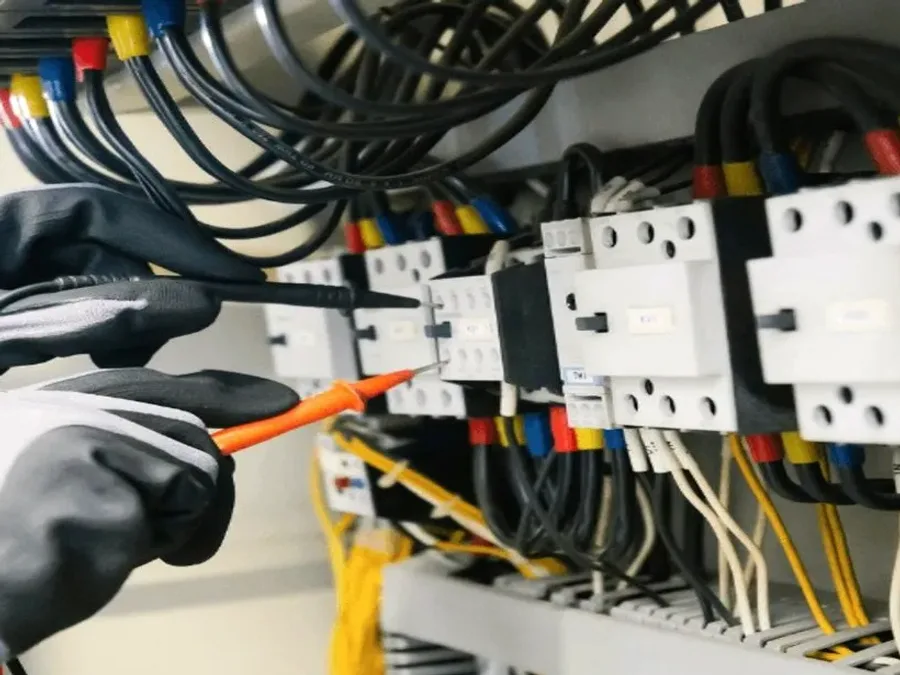
A generator must never backfeed a home through an ordinary receptacle. Portable combustion generators belong outdoors, away from building openings; they are not an indoor heating or power solution.
What does the existing generator and transfer arrangement actually supply?
If you have inherited an existing standby generator, begin with its model, service records, transfer equipment, and the circuits it serves. A demonstration of engine operation does not establish that the transfer system and connected loads are correct; ask a qualified contractor to assess the complete arrangement and explain the maintenance plan.
For an existing installation in Chatham, Wallaceburg or Ridgetown, collect the generator and transfer-equipment models, available service records and the list of supplied circuits. State whether ownership, maintenance contacts or operating instructions were passed on with the property. The engine starting does not establish the condition of the complete standby arrangement.
Ask an electrical contractor to identify the circuits supplied through the transfer equipment and any load-management controls. Compare that record with the appliances now installed. A former owner may have chosen a smaller set of essential loads than the new household expects.
A different furnace, heat pump or pump can change electrical demand and motor-starting requirements. Give the assessor both the standby-system information and the new appliance specifications. Ask whether the present transfer and load-management arrangement still supports the intended equipment before relying on it.
Start with the exact model, manufacturer schedule and any evidence of earlier service or faults. Ask who will inspect the fuel arrangement, exercise settings, battery and other model-specific service items. Obtain clear instructions for reporting a failed exercise or abnormal operation without opening electrical or fuel equipment yourself.
Keep a circuit list, equipment models, service findings and the contractor explanation of transfer operation together. Record any loads that must remain off or are managed automatically during an outage. Written limitations help the next occupant avoid treating an assessed essential-load system as unrestricted whole-home power.
Share the property location and the work you need so the request can be reviewed.